We help publishers and advertisers buy & sell Instagram Shoutouts online. We offer Social Media Services including Instagram, Twitter, Facebook and YouTube!
Instagram has proven to be an exceptional marketing tool for most of today’s businesses but to get “seen” you must use Innovative Instagram Story Strategies. Try to add personality to your stories. By doing so, you’ll strengthen the connection with your Instagram followers while improving your brand reputation.
Whether it’s a small local business or an entirely online business, this social media network could be the perfect opportunity to skyrocket your website’s traffic and performance.
4 Innovative Instagram Story Strategies for All Businesses
Instagram, like most big social platforms, evolves on a consistent basis. What makes this platform ideal for most businesses are the various features that keep getting better and better, making Instagram’s marketing campaigns more effective than ever.
In today’s post, we’re focusing on the 4 innovative marketing uses of Instagram stories, this feature being probably the most interesting and challenging options for today’s webmasters and Instagram marketers.
1. Create Urgency by Pushing Exclusive Offers
Instagram’s stories allow for a message to be seen for up to 24H time, which means that there’s a sense of urgency that this feature’s meant to create.
Now. If you complete that urgency with another urgency created by your marketing message, you will surely grab the attention of your audience.
Mark Cuban, a talented Marketing Strategist from aussiewritings.com, advises that:
The best way to make people pay attention is to offer something exclusive, limited, unique, and hard-to-get.Using Instagram stories to point the viewer’s attention toward a coupon, discount, or limited-time offer is ideal when you want to do that. The story must clearly emphasize the fact that the offer must be accepted now, or before the 24-hour lifespan is over.
Indeed, creating a sense of urgency will prompt people to take action. Marketing pros know the “fear of loss” is one of the KEY motivators to take action.
2. Showcase Your Team and Results
Another brilliant way of leveraging Instagram stories for business is to showcase aspects of your team and company that have never been seen before.
Normally, you wouldn’t publish pictures of your team members or small results that your employees have achieved on your website. However, Instagram is the perfect place the lower your guard and become more personal.
Post short videos and insightful pictures that show your team working on a project. Also present some of the important results that your company has achieved.
3. Leverage Location Hashtags
Adding hashtags to Instagram stories is an interesting practice that could lead to both amazing and terrifying results.
For example, it’s best that you use branded hashtags throughout stories. Primarily to develop a buzz around something: an event, content, web presentation, product, or a service.
Moreover, you should try leveraging location tags. This feature will put your Instagram’s story in front of a wider audience.
Location-based stories appear on the Explore page. So everyone who’s “exploring” stuff based on a specific location will probably come across your story too.
4. Split Your Blog Posts into Mini-Posts
The content you’ve written in the form of blog posts could be turned into something that could really grab attention. Take a big post and cut it into pieces.
The idea is to turn those big posts into several pictures (or gifs) that you put into your Stories section. This way, the user who that sees your Instagram’s story immediately gains access to quality how-to guides, did-you-know facts, or other useful information.
Obviously, you at the end of your mini-posts series, you should provide a link to the full content. This is one of the best ways to attract quality, free, and targeted traffic through Innovative Instagram Story Strategies.
Takeaways
Marketing your business on Instagram is both an art and a skill. It’s the art stepping out of your comfort zone and developing unique marketing copy communicated through innovative Instagram story strategies that attracts the eyes of the majority.
It’s the skill of leveraging the right content, visuals, and audience selection in a balanced way. Instagram stories are totally worth exploring, so go ahead and become a master at it.
About author: Olivia is an independent journalist and passionate explorer. She likes to write about everything that can positively affect people’s life. When not searching for a new topic to write on, Olivia prefers to take a camera and enjoy the beauty of nature. Find her on Facebook – facebook.com/OliviRayRay and Twitter – twitter.com/OliviRayRay.
Readers that found this article useful took advantage of these free eBooks
Free eBook download “Instagram A New Marketing Frontier” – Reap your own reward from this Billion-Dollar Deal.
This is a complete step by simple step blueprint that will take you by the hand and show you exactly how you can model the success of world-class companies, like Starbucks, Audi and Victoria’s Secrets, to create your very own Instagram success story. So you can look forward eagerly to increased traffic, sales and profits.
Instagram is a powerful marketing tool but over the years many Myths of Instagram for Entrepreneurs has limited effectiveness.
Perhaps it sounds like a cliché, but it’s not. Buy followers Instagram from BuySellShoutouts and see the impact on your Instagram account.
The platform gathers over 1 billion accounts, which is enough to convince more than 70% of the US companies to use it as part of their business strategies.
At the same time, as much as 200 million Instagram users actively visit business profiles every single day.
Some serious business-related activity is obviously taking place on Instagram, so it’s not the question of whether you should join the game or not but rather how to do it effectively.
But before you make the first move, you need to be aware of common misconceptions that make a lot of people confused.
This post will show you 10 myths of Instagram for entrepreneurs.
Keep them in mind and you’ll avoid making beginner-level marketing mistakes.
1. Instagram Marketing Doesn’t Require a Strategy
The first myth on our list is so obvious that it actually hurts.
Can you begin any kind of task or project before making a plan?
You can, but the outcome won’t be nearly as satisfying as you may have imagined.
The same goes for Instagram marketing.
Rachel Miles, a social media specialist at Careers Booster, recently noted: “If you want to generate results, you have to create a sustainable strategy and decide what to do when, how, and why.
There is nothing random about content creation, so don’t fall for this trick and engage in Instagram marketing without a proper plan”.
2. It Takes Too Much Time to Grow
All good things in life and business require patience and so does Instagram promotion.
However, it’s not true that you need too much time to grow the number of followers.
Depending on your objectives, you can reach the desired level within months or even weeks.
However, you do need to invest a lot of time in content creation.
This is the tricky part because your posts need to be appealing and interesting enough to grab the attention of the target audience.
3. Instagram Works for Product-Based Companies Only
This social media network generates by far the best results in case of product-based companies.
The reason is simple – such businesses sell physical stuff and they can present it easily via Instagram.
Contrary to popular belief, service-focused organizations can also leave a good impression by posting analytics, testimonials, client-related photos, freebies, or behind the scene details.
This kind of promotion proved to be highly productive for some service-based companies, so why would you run away from it?
4. The Platform Can’t Get You Leads
This is the common statement among entrepreneurs who don’t know how to handle Instagram marketing.
Okay, the platform doesn’t allow you to add URLs everywhere, but you can still do miracles using the website link.
You can play with it and change it a few times a month.
You can leave the new landing page link.
This is a great way to generate leads through Instagram, you just need to be persistent and clever about the URLs you share.
5. You Need Professional Images
Brightness and colors really do play a major role here, but it doesn’t mean that your images have to be strictly professional.
Even amateurs can now take great photos using smartphones.
Mobile devices have become so good that they easily adapt to background light, adjust focus and exposure, and do all sorts of other tricks.
Of course, we don’t recommend you publish amateur photos on all occasions.
Instagram marketing is an investment, which means you should accumulate a certain budget to hire professional photographers from time to time.
This way, your account will look even more impressive and compelling.
6. Post Once a Week
You can often hear business people saying it’s enough to post one photo a week.
Before you accept it as the ultimate truth, let’s see what statistical findings tell us.
According to the reports, users publish 95 million photos and videos on a daily basis!
If you really think anyone will notice your sole weekly post among thousands of other photos published simultaneously, you are making a huge mistake.
7. Lots of Images Guarantee Engagement
On the other side of the spectrum, we have entrepreneurs who strongly believe that posting dozens of images a day will bring them user engagement.
Needless to say, this is also an awkward misconception. Instagram users prefer quality over quantity.
Therefore, you need to make a balance between the two elements to make your followers truly interested in your work.
8. Once You Post, You Are Done
Speaking of user engagement, let us remind you that your own engagement makes the other side of the coin.
A common myth suggests that once you post on Instagram, you are done with it.
But this is often where the real job begins as you need to monitor user feedback and respond accordingly.
Business accounts on Instagram need to show the human side of the story and strengthen the bonds with their followers.
In such circumstances, interaction becomes crucial and you cannot afford to leave user comments unanswered.
9. Follow To Get Followed
Gone are the days when you could simply follow someone and expect to get followed back immediately.
Today, Instagram users are picky and they don’t want to bother seeing too many business accounts.
For this reason, your strategy should not be “follow to get followed”.
You need to publish quality content instead and wait for the target users to follow you.
Rest assured followers will come to you in case you can provide them with informative and entertaining content.
10. You Can’t Measure Results
Businesses would never invest money in Instagram marketing if there wasn’t a way to measure results.
As the matter of fact, there are dozens of useful metrics to check out here: follower growth rate, link clicks, engagement per follower, etc.
Your only job is to determine metrics that really matter to your business and analyze them regularly.
CONCLUSION
Although a lot of businesses use Instagram to promote products or services, some still can’t figure out how social media really functions.
It creates terrible misconceptions and Myths of Instagram for Entrepreneurs that can easily confuse and chase them away from this platform.
In this post, we revealed 10 myths of Instagram for entrepreneurs.
Did you already know about these misconceptions?
Do you have other myths to share with our readers?
Feel free to let us know about it in comments – we will be glad to see more Instagram myths debunked!
Short bio:
Warren’s lifestyle is full of hiking adventures. When he’s not busy with his guitar or enjoying the sunny day outside, he excels at blogging skills and scrolls through social media. You can meet him on Twitter and Facebook.
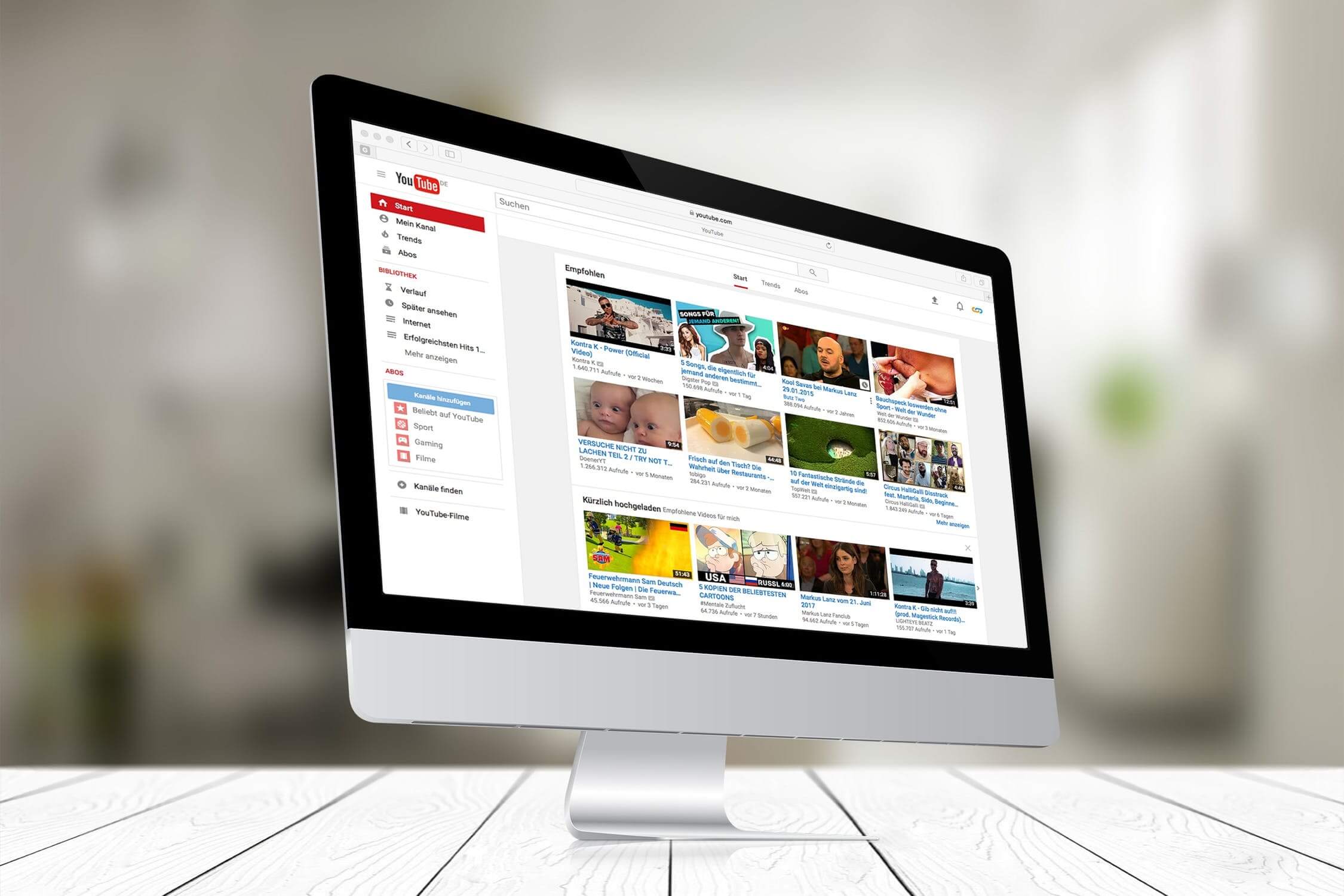
Why Instagram Will Soon Be Better Than YouTube? Instagram recently launched IGTV, a new platform that allows video producers to post longer videos on the platform.
Previously, users were only allowed to post 15 seconds long Instagram stories and 60 seconds for the regular videos. IGTV enables users to upload up to 60 minutes long of video content.
The launch of this product brings a new player into the video sharing space that seeks to challenge established companies such as YouTube and Snapchat.
Another key feature of this app is users can watch videos vertically making it easy to use for mobile phone users.
Videos posted are easy to discover especially if a user follows the content creators.
According to Instagram officials, the release of IGTV comes at a time when the public is watching less TV and opting for digital platforms for videos.
The app seeks to eat into YouTube’s market share, but this is no easy task.
YouTube is an established brand with loyal customers who are already accustomed to it. IGTV realizes this and has come up with some features that rival those of its competitor, they include:
Automatic Video Play
Unlike YouTube, IGTV will automatically start playing videos once you log in.
It eases the struggle one goes through to search for footage as it appears automatically on your timeline.
The application will play videos from those that you follow the most and love to watch their videos.
The success of Instagram’s live broadcasts and Insta stories played a part in this decision.
Insta stories of those you follow and watch appear at the corner of your timeline, and you click on the one you want.
An automatic play feature allows users to log in and enjoy videos from their favorite content creators.
It Uses Swipe Navigation
It is a feature that allows you to use swipe gestures rather than interrupting the full screen mode with navigational control icons.
You only need to swipe to see the next video while remaining on the same screen mode.
When you swipe, it switches to a new video that plays automatically.
It is an improvement from having to go back to your homepage and selecting another video manually.
Swiping sideways either takes you back to previous videos or next videos.
Swiping up will produce tabs Following, Popular, For You and Continue Watching.
A search bar also appears when you swipe up.
Boosts Creativity
Currently, IGTV does not allow advertisements so content creators cannot earn from their videos.
It sounds bad, but it allows creators to come up with creative content that attracts followers and also sponsors for their channel.
Having a huge number of people watch a video won’t cut it here.
Websites such as EduBirdies also give guidelines on how to boost your creativity.
Your video needs to be either informative, entertaining or educative to attract sponsors.
It’s important to note that sponsors approach you directly and IGTV has no part in it.
You may market their products in your videos and earn in this manner.
The creators say they are first seeking engagement with users before rolling out a monetization platform.
Continuous Watching
Unlike most video streaming platforms, IGTV lets you continue watching a video from where you left off.
The frustration of having to wait for a video to load up to the point you were at has been taken care of with this feature.
There is a scrub bar on the videos, so if you miss a part, you wanted to see you go back to that particular moment.
You Can Use the Original App to Access Videos
If you do not want to download the IGTV app, it is okay.
Your main Instagram app allows you to watch the videos.
There is an icon at the top of your account; you will find a button next to stories highlights that allows you to access this videos.
It is a plus for users since they can add this new feature without alienating other audiences or themselves.
Another key aspect of this app is it has integrated smoothly with other features that Instagram already had.
You can still share videos via messages, use filters and share to IGTVs parent company Facebook.
Vertical Format
Facebook launched Facebook Watch, but it has not picked up as anticipated.
IGTV, however, stands to work better for Instagram since most of its users already shoot and watch videos vertically.
Platforms such as Snapchat receive over 30 million views per month indicating that people have an appetite for vertical videos.
YouTube Is Facing Challenges
YouTube has in recent days experienced numerous hurdles from its monetization policy to offensive content from content creators.
Those that use YouTube in their day to day have been seeking a different alternative where they can share their content.
YouTube is regularly altering its advertising guidelines affecting how most channels earn money.
These shifts in policy are giving YouTubers anxious nights with some at the brink of suffering a breakdown as YouTube is their source of income.
IGTV has an opportunity to take these creators from YouTube and settle them in their platform.
Most of this people have a huge number of followers who will likely follow them to their new home.
Logan Paul also caused a public outcry with his insensitive video which YouTube took time before pulling down.
Child exploitation videos and concerns on monetization are some of the issues facing the company currently.
IGTV now has the opportunity to address all these issues and give its users a guarantee in its terms of use and privacy policy.
Available on Android and iOS
IGTV application is both available on Android and iOS systems.
It ensures that users on both platforms can enjoy watching videos from this app.
Mobile phone users can enjoy IGTV content without worrying about which operating system they run on.
Instagram Has 1 Billion Users
IGTV’s main partner Instagram currently boasts of over 1 billion monthly users.
A billion users ensure that content uploaded already has users waiting to consume it.
For creators, getting a ready market such as this, mainly dominated by youngsters, is a goldmine for them and may even boost them to global recognition.
Conclusion
IGTV has increased the length of a video one can upload from a minute to one hour. Instagram is targeting a whole new generation who are already handy with video cameras and smartphones.
Although they currently do not allow advertisements, IGTV will soon enable it for creators to be able to generate revenue from their content.
Now Instagram influencers can earn a living by partnering with brands.
YouTube uses a horizontal format for viewing videos, and by choosing the vertical format, IGTV appeals to mobile users as well, and they make up a larger percentage. The possibilities in the video world have expanded greatly.
About the Author:
Richard Nolan is a professional educator and team building coach, sharing his experience in spheres
Steve Wetmore – Good afternoon Jared Carrizales founder at Heroic Search. Heroic Search is a link building company based out of the Dallas, Texas area. And Hey, welcome, Jared.
Jared Carrizales – Hey, good to be here. Thank you very much, Steve.
Steve Wetmore – You’re welcome. So, Jared, could you talk a little bit about who you are, what you do, and don’t be shy about your credentials, credentials?
Jared Carrizales – Like you mentioned, I founded a Heroic Search in early 2013. So we will have our seven year anniversary or birthday as it were, in just a few short weeks, and we started as an SEO company, a full service SEO and even social media company and over the years, we have morphed into a Link Building specific agency, we just realized that our team had a lot of talent in that area. And we had built out a overall process to facilitate a lot of relationships with editors and whatnot. And so we decided to niche down and get really, really specific with the services that we offer. And so we’ve been doing that for going on three years now. And it’s gone extremely well. We’ve been privileged to work with all kinds of companies all over the world. And currently, we’re a team of 10 people.
Jared Carrizales – We have a couple of writers, couple of admin people, such as myself on the sales and account management, project management side, and the rest of us are very PR oriented. You know, there’s a ton of outreach that goes on as you can imagine trying to get in touch with editors , webmasters, bloggers, all kinds of different people. And so the rest of our staff is primarily made up of people that do that in some form or fashion. As far as myself, I have a background in SEO, I built my own website 10 years ago and started doing freelance work, then got picked up by an agency and started a Heroic Search shortly after that. I’ve been privileged enough to work with a lot of really cool people over the years. I’ve done quite a few speaking events, training for various companies and private events here in Dallas. We have SMU so then with the University and I’ve been privileged enough to teach there for a few semesters as well on a digital PR course. So that was a pretty unique experience. It’s been a very rewarding career and and Heroic Search in general is a very good culture that we tried to foster and nurture one on one team building and honesty, which can be pretty rare in this particular industry unfortunately. We are proud to say we have built that reputation around us and so it’s been a wild ride as you can imagine.
Steve Wetmore – I can hear the enthusiasm in your voice. And I believe you are I believe your story – so good job. This is a great opportunity for our readers and audience in general to to learn about the the link building sphere from a blogger, a blog perspective. And I would really like to hear your perspective on how Google views backlinks that look like they’re sold and how you avoid getting perceived by Google as just simply a backlink farm. And I’d like to hear what you’ve got to say about how you qualify valuable resources as a blog post resource?
Jared Carrizales – We call them footprints. How Google or any search engine is able to find and potentially discredit any maliciousness as it comes to gaming their own algorithms. An example of a footprint would be a guest post, because that’s a regular culprit, a guest post bio or byline that is within the article. When you have so many posts by the same author it’s a very easy footprint to follow. But that’s not enough on its own to have that leak discounted from Google’s point of view, they will need some kind of corroborating evidence. Maybe all the websites that this person or single entity is getting links back from, have the same IP address, or they’re under even the same entity in terms of their Who Is domain data. It is theorized that Google looks at or can see and another footprint, the Who Is data that is assigned to a particular website so they can see if someone is operating tons of these websites that may have malicious intent. So those things can be considered footprints. And if you do enough of that, and you try to gain enough blatantly, more than likely, your time will run out. And what that looks like is completely up in the air. Sometimes, it does result in, very extreme examples and site being penalized manually. Or could be just not counting certain links. Google has come out and said that negative SEO has had such an effect after the Penguin update several years ago that Google had to come up with different solutions so that they could not be gamed in opposite and damaging ways to unsuspecting website owners. And so they have since changed the policy so that the links themselves will no longer be counted instead of harming the website in question in case they’re victims of negative SEO. So yes, the penalties can vary significantly but at the end of the day, if you are creating really good content and pushing out the message like outreach or social promotions, things like that, there’s absolutely nothing wrong with promoting, your content. I think there are a lot of split hairs out there and different opinions when it comes to paid postings or pay per views or things like that. But that’s each person’s preference on what they’re willing to do in terms of strategy and tactics.
Steve Wetmore – Obviously there’s the complete transparent, paid posting or our sponsored post where you disclose that you’ve been compensated within the post. And you even have a category on your blog for sponsored post. I mean, that’s completely above board. This is the question to you; will Google, penalize you if you have too many sponsored posts?
Jared Carrizales – Not to my knowledge, no. There’s absolutely nothing wrong with labeling that content and making money off of it. Absolutely not. That’s exactly what you are supposed to do in terms of Google. Own TOS Terms of Service, as well as the FTC, you know, which obviously, you, you the that is to say the Federal Trade Commission, you obviously need to abide by those rules as well. But there’s absolutely nothing wrong with
earning money from paid postings as long as it’s labeled as such. But yeah, does that, I guess, does that answer your question?
Steve Wetmore – I think so. Yeah. So So how do you as an organization, how do you select that tential sites to be the host for backlinking blog article?
Jared Carrizales – For this example, you know, I’ll mostly stick to you know, a very organic type of approach. We will look at what we call these just prospects really, we will look at a variety of different things in the largely depends on the campaign itself, but let’s just say the clients campaign itself, but a few pretty standard and automatic, I would dare say, type of constraints and requirements that we look at is obviously is the site run by human that’s a huge, huge thing that shows there’s, care put into the site, it’s not just a cheap, you know, WordPress theme that’s thrown up and junk content, you know, thrown up on top of it. There’s usually a lot more due diligence on the webmaster side to take care of the domain and really care about the content that goes on it. Additionally, supplemental type of metrics, we may look at is the traffic is a pretty big one. The list of potential traffic that we assume is going to the website, how often they publish content is another one. You can look at metrics like domain authority, or DA, as well as you know, AHREF’s trust rating. That’s a very common tool that we use. But obviously, no spam on the website is a really, really huge one, we will actually do site operators. So we will search in Google through the entire side that are the pages that are indexed on Google. And we will look for spam words these could be anything could be you know, pharmaceuticals, gambling, you know, any kind of adult themes, all of that. We look at especially if we are not sure if they’re engaging in, you know, possibly paid links or any kind of sponsored information. Sometimes there is very easy for that stuff to fly under the radar. And when that does happen, it usually means it is very being done blatantly through the website. And very often, the blogger owner of the website can be playing you know, fast and loose with the rules and allowing a lot more things to be put on the website that he or she shouldn’t, or at least at the very least, things that we don’t want to be associated with nor do we want our clients to be associated with so those are some basics that we look at to to make sure that you know website passes the the overall sniff test for sure.
Steve Wetmore – Can you can you give us some more juicy juicy tidbit on that? Like, for example, let’s say, let’s say a site has posted a blog article will say one blog article on going to a casino and having a good time. Is that is that a deal breaker?
Jared Carrizales – Okay. So let me give you the maybe this is the golden rule that I have with the team. So I have a phrase that often nowadays, you know, the suggestions or the questions about whether or not we should post on a particular website, don’t come to me, but when they do I always respond with, you know, hey, is it relevant? Is it niche specific? So, one phrase that I will always tell them If a site is about everything, it’s about nothing. So relevance is what really moves the needle in terms of rankings, which is obviously a huge part of why clients come to us for link building specifically. And so if we can move the rankings, then all right, you know, the links that we built don’t really matter that much. So, so what we have found in some of the tests and things that we run in varying types of campaigns, relevance rules, everything, you know, the end of the day, there’s not a single metric that means anything, because none of that matters to Google. But what really, really does matter is relevance. So to you know, make this circle back to your question if, if there is a site that is posting about, you know, having a good time in a casino, and that same side is also posting about how to save money on car insurance, and also How to run a coffee shop. And you know how to you know, study effectively for your you know, Elsa and like, like those things are just so completely different. You aren’t going to have the topical relevance credit, if you will that Google does give look at with a website. So why are we going to post somewhere even if it is super easy to get a guest post or a link or whatever? Why would we want to do that? If we are going into it knowing that link is not going to be as valuable and it won’t, and it won’t be so. So know inherently that article is not bad. If the entire or that title I should say is not bad. If the entire website is about I would say either gambling or maybe feeling good. A mental health type of You know blog I think those two would probably be relevant the ladder relevant ish but but at the same time you also don’t want that article to have you know a ton of you know linking out to it’s on a very overly blatant casino websites like you don’t want that and if they are then didn’t know that’s a that’s a definite no no absolutely not. Not only will we not want to even be included in that content or anything like that we won’t really touch the site. But yeah, that’s that’s where I would definitely come down on that question for sure.
Steve Wetmore – I do sell spots for sponsored posts, and some SEO link building on a couple of our blogs. I’m always concerned about the quality of writing. And I’m also surprised that, in most cases, there’s very little regard given to SEO, within the article. How do you approach the actual content writing? And what I find is that so many of these firms they don’t pay any attention to ranking and I guess they really don’t care. How would you respond to that?
Jared Carrizales – So yeah, those things very often are disregarded, as unimportant for actually getting paid on their end is what it mostly comes down to.
Steve Wetmore – And I guess technically, you could say that they’re really not paid to do that. They’re just simply paid to create a backlink.
Jared Carrizales – Well, that depends on your perspective. You know, I think that we are paid to do a good job and accomplish the goals. Clients do not come to an agency for better rankings. They don’t. Not a single client really has ever gone to an agency and just wanted better rankings. They want more money, right? They want more money, they want more traffic. That’s what they want. So if we are fulfilling our goal, our ethical goal to providing that and not hiding behind a shroud of, “Hey, you’re only paying us to do these deliverables. If we are acting with good intent, then yes, I would say they absolutely are paying for that due diligence because that goes hand in hand with the job. Now if they’re being super blatant and selling customers on look, we are only going to do this and we are not responsible for your ROI then Okay, you know, and the client still signs on then. I mean, fine, it is what it is, I guess. But no, I think we have an inherent risk and accountability to try to accomplish the monetary goals in whatever form or fashion that our specialization allows us to do that.
Steve Wetmore – Thanks for your candor Jared. Now let’s talk about what SEO tools you use and skip the “staples”. What tools do you use that are unique?
Jared Carrizales – We use several tools that I’m sure a lot of people haven’t heard of, but I would say there isn’t anything that’s a huge mystery either. So, for example, we pretty much live and die by BuzzStream.com which is an outreach CRM and very popular with SEO and link building agencies as well as PR agencies. It’s essentially your little black book for outreach and contacts, on websites. Except the little black book is so big it can handle 10s of thousands or more contacts and it tracks our conversations and allows us to slice and dice data in how long it’s taken to complete certain things, who’s working on certain campaigns. It is extremely helpful from an organization standpoint, when you are, building as many links as we are every single month and sending out, you know, 10s of thousands of emails a month as well. So, very helpful. But again, you know, a lot of people will use that tool. I would say, another one is probably Scrapebox. Scrapebox allows us to just scrape the hell out of a lot of websites to compile and really get down to the nitty gritty of who we want to reach out to, and gives us a very raw list of hundreds and thousands of resources. Sometimes if we deem unnecessary, URLs that we can then filter or decide whether or not we want to reach out to them. But yeah, that tool is super helpful and saves a massive amount of time.
Jared Carrizales – There’s one more that I’ll mention. It’s more of a PR type of tool but it is so awesome. It’s Twilert.com – So I do not have any kind of partnership with him, I just really enjoy the tool. Basically you put in a very specific set of parameters search operators within Twitter and it will automatically pull the results and bring them back to you whether it be on a daily or weekly/monthly interval. This is very helpful for us when we are wanting results to come to us for things like, guest blogging contributions or sponsorship, opportunities for events, speaking opportunities, even researching competitors, what does a competitor do the first place they go to announce some type of speaking slot or a new client, hiring or any parameters that you can come up with. So it’s extremely powerful in saving time. But, also finding those results that you really only see in conversation. Twitter is just a giant conversation. And if you don’t really know where to pick out the pieces of that conversation that you want, you’re going to just miss them. So it’s very helpful from from that perspective as well.
Steve Wetmore – That’s very interesting. Well, again, some useful information Jared, I really appreciate your unique perspective on guest posting, backlinking and the tools you’re using, and the marketing sphere, each in its itself, it’s unique. And the fact that you’re specializing, you certainly have a very strong advantage – so kudos to you Jared.
Influencer marketing has become superior to digital ads for numerous reasons from humanizing brands to helping them target the right audience.
And Instagram, as the most engaging and visual platform, is at the very center of it all.
But while there’s no question whether this marketing strategy can benefit your business, there is a lot of confusion – and possible misunderstanding. What you can or should expect and how to get what you paid for from Instagram Influencers.. There’s a direct correlation between an influencer’s number of Instagram followers and their price per post.
How to Get What You Paid for from Instagram Influencers
There’s a lot of potential for success, but also a lot of potential for disappointment on your side.
Additionally, it doesn’t help that the cost of partnering with an influencer varies widely – from $250 to $10,000, according to the 2018 State of Instagram Marketing Report.
The amount of money you shell out for your influencer marketing campaign will really depend on how you bargain with the chosen influencer.
To drive that bargain and avoid getting ripped off it’s important to understand the pricing factors and what good influencer marketing entails.
Here are the most important things to look out for to get the bang for your buck when collaborating with an Instagram influencer.
Don’t be Eluded by the Number of Followers
Somebody with a reach ranging from 2,000 to 10,000 followers may charge $75 to $250 per image, and the rates grow accordingly as the number of followers grows.
Of course, you want to expand your reach; you’re ready to give your money to somebody who’s, well, influential.
But the “reach numbers” are not everything – and they’re becoming increasingly irrelevant as Instagram’s new algorithm is making it more difficult for accounts to get the views they once did, which is especially affecting those with larger audiences.
Moreover, followers (bots) can be bought cheaply, so watch out for the fake influencers.
Monitor Their Engagement
Engagement with followers is much more important than reach, and you want somebody with an organic, engaged audience.
The best influencers engage with their audience authentically and know how to compel their followers to respond or act.
This will mean a lot to your brand, as audiences are much more trusting and open to the advice of engaged influencers.
But to get what you’re looking for, you need to ensure that your chosen influencer also engages with enthusiasm and ingenuity on all posts directly related to your brand.
Demand the Right Type of Content
If you just pay the influencer, sit back and hope they “influence” successfully, you’ll be in for a lot of disappointment – and it won’t really be their fault at all.
You need to develop the right kind of influencer marketing strategy that suits the vision of your campaign.
This is the difficult part, naturally.
That’s why it’s much smarter to rely on the advice of successful social media marketing companies than your own expectations of what might be engaging or compelling to followers.
What is the specific goal of your influencer marketing campaign?
What kind of creative content will best help you achieve that goal – stories, live videos, posts with long text or posts with short captions?
Don’t leave it to the influencer – work out the details and give them instructions.
They might demand different fees for different types of content. Be sure that nothing is left to chance and get what you Paid for from Instagram Influencers.
Agree on the Number of Posts Beforehand
And while you’re at it, here’s a tip: a lot of posts on Instagram go unseen (the algorithm, again).
You might be left enraged if you’ve asked for only one or a few posts and got zilch engagement in return.
A strategic move is to establish an ongoing partnership where the influencer will regularly post about your brand.
These posts should focus on key Brand “touch points” – elements that define the Brand or Product.
This way, you can most likely agree on a discount for employing their services over a longer period.
Encourage them to market discreetly
Most influencers are very well aware of how to make their sponsored posts appeal to their audience.
But, it’s important to have a mutual understanding of how your brand should be promoted to get the best results.
Images or videos that say “Buy this product because…” are generally off-putting to audiences. We know audiences respond enthusiastically to influencers casually telling them why they love the product and how they use it.
It is, after all, the whole point of influencer marketing! If your collaborator goes off track with this ineffective wording at some point, it’s a clear sign that they’re not focusing on your objective.
Communication is Key
Engaging an influencer to promote your brand is likely to be a formidable collaboration that you both benefit from.
But just like with any collaboration, it’s important to have mutual respect and start on the right foot. Understand the demands and expectations of each side, as well as the intricacies of the platform you’re collaborating on.
Follow these tips to get your money’s worth and kick off a successful campaign.
Steve Wetmore – Welcome to the InstaVIP podcast. Alex is founder of Six Media specializing in SEO and Digital Marketing. And their forte is execution. So, Alex, welcome. How are you?
Alex Blaisdell – Doing fantastic today. Thanks for asking.
Steve Wetmore – Alex, could you take us down the road of describing who you are and what you do and touch a little bit on your credibility, your experiences in the industry, if you’re part of any association, or if you’ve done any public speaking, that kind of thing?
Alex Blaisdell – So, personally, I’m a husband and a father. I have a family with three kids. I always like to joke we have three goats, three dogs, and 20 chickens as well and it sets me apart on the professional side so I’ve been in SEO for for over 10 years obviously dabbled in other digital marketing areas as well. And as far as speaking go I do a lot of different little local engagements where I work in groups and where I talk with business owners, and help them understand the value of and why they need a website, why they needed to produce leads and how they build their own credibility. So I focus a lot on a lot of personal branding for local business owners. And then he had just recently left a Director of SEO position, turned down a six figure salary to start my own Agency – Six Media so that’s kind of how it came about.
Alex Blaisdell – And just Some context on Six Media, we really focus on SEO, like you said, and execution. There’s a lot of knowledge out there in the industry and there’s a lot of really smart people out there in the industry. Where I feel like a lot of people failed and where a lot of people struggle is taking that knowledge and being able to actually scale that with their team, and execute and get the results. And so that’s my mission; trying to bridge that gap and make that focus work. And what I have done at Sixth Media is assembled a Power Team, we really have that knowledge, but then also have that system that can execute at a high level. And so far, it’s been been going really, really well.
Steve Wetmore – That’s excellent. So how large is your team?
Alex Blaisdell – Right now we have five people that works with me on a daily basis. We also have a team of freelancers that I’ve worked with for 5 to 10 years in certain aspects. We leverage our team well on a case by case project.
Steve Wetmore – I am really looking forward to you talking about the future of SEO as you see it and the near future. With all the changes that Google implements we don’t walk around with a crystal ball but I would like to hear where you see SEO evolving relative to your niche focused on local small businesses, branding, execution like search engine marketing.
Alex Blaisdell – I at it in two parts, especially like you said, nobody has a magic ball, nobody can see into the future. And so one of the things that I think people throw out there a lot is voice search and those types of things, right, which I definitely think is important, and we need to focus on before I get into future casting. I really think SEO in 2020 will be back to the basics. So things like technical SEO and having a really solid website. Critical to any type of its success, especially within your mobile first indexing coming out a few years ago and those types of things. Going back to the basics of having a technically sound website, having a website that’s fast on desktop, but also more importantly on mobile, having a solid foundation keyword research and making sure that the efforts that you are Doing or going towards those keywords that are actually going to drive traffic to your website and drive leads and sales. A lot of a lot of business owners, you know, ones that are trying to DIY or even when you get into really large e commerce businesses, they might be gaining in traffic they might be getting keywords but against that the right keywords that are actually driving clicks to their website. So where I feel like a lot of people are kind of overlooking is, again, the fundamentals of what we need that you know, foundation that we need. And I will specifically focus on like the technical side of things, so how your website’s functioning, how fast it loads, those types of things. And then you can start getting into the other basics of relevance with keyword research and on page optimization, video markup, all those types of things. But again, I would say that first part for 2020 is back to the basics and if you focus on That, if your site is well oiled and running successfully there, you’re set up to win. If you don’t do that, all this new stuff that’s coming on, you won’t even really have a really good chance for. So that’s part one. Part Two, I would say for 2020 is some of the stuff that I mentioned earlier. So voice search is huge, but instead of just saying voice search, and what that actually means. I think that’s still playing out how people utilize that and take advantage of that. But number one, because of voice search, I think featured snippets is becoming even more important. I’ve worked on large websites where if we didn’t have that featured snippet for three weeks, you lost over $100,000 in revenue. And featured snippets get a lot less clicks coming from Google also known as zero click searches. But featured snippets will drive clicks to your website. Also, another hot topic the last few years is is EAT, which is Expertise, Authority, and Trust which is about establishing yourself as an industry expert. If your niche is SEO or digital marketing, or food blogging, or selling something online or a local business. If you’re a tradesman, like an HVAC, or a profession like a Dentist or Doctor, it’s important to establish yourself as the expert. The objective is to build your own authorship and credibility through quality content blog posts. I had a lot of successful businesses that focused on EAT. Blog with credibility, not authorship and eventually your content gets picked up and helps the rest of the site perform. So again, going back to the basics, once those basics are covered, you can start expanding into featured snippets route and ranking for relevant keywords to drive traffic and drive revenue.
Steve Wetmore – Continuing our discussion on “Basics”; when you’re working to correct On Page issues, do you have in house people that can fix errors?
Alex Blaisdell – So we do a full on technical audit when somebody comes through the door and we dive deep into all the different areas. And then from there, we take that audit and then we prioritize a custom package on what’s best for that business. So whether, it’s an e commerce business, it’s doing hundred’s of thousands of dollars a month in revenue or rather a local business that is getting no traffic to the website; each approach is going to be different. And we diagnose the foundation and make sure that it’s set up, and then go in and fix on page issues. And so the three areas that we’re focusing on, they’re not as obviously technical. The technical part of it the relevance, which is keyword research with the on page optimization, and also the trust. Trust gets into EAT like I talked about authorship, but also how healthy your backlink profile is, your anchor text, all that. So those are the things that we’re looking into, and then we prioritize our work based on what’s going to make the most impact first.
Steve Wetmore – Did you get involved in backlink outreach in a significant way?
Alex Blaisdell – Yes It’s something that I’ve done throughout my career. And also something that we focus on here. Again, it depends on each individual partners website or their strategy, what they have going on. And so we’ll scale it depending on the business model. For example, for local business, HQ backlinks might be the key thing that they need so we will focus 50% of our time on an outreach effort on acquiring high quality backlinks to their site with specific anchor text to specific pages. Sometimes for bigger sites. They don’t need more backlinks, but they might need a better internal linking structure. So again, we’ll focus our efforts on cleaning up their site, so that trust flow can pass through it instead of gain more trust.
Steve Wetmore – Alex you have been very consistent with respect to don’t forget the basics, the basics will always be there. But can you cast a forward looking eye at work where you think even the basics might take us?
Alex Blaisdell – If we if we look at it from that lens, I would say in the past, you could still have a very successful online strategy while not doing the basics very well. For example, you could have a lot of different efforts on where your ranking for a lot of keywords and it’s driving a lot of traffic in your site, could have been loading in 10 or 20 seconds. But, now if you have a site loading in 10 to 20 seconds, or even longer, trying to rank for those keywords and trying to stay on top of your competition just doesn’t happen anymore. So again, if you’re looking at it from the basics in a forecasting lens, there’s a lot of different things that you may have been successful for. And that’s why I say going back to basics in 2020 is very important. Because if you’re not, you’re going to be penalized and damaged for not being able to execute and have those basic SEO fundamentals established.
Steve Wetmore – Alex, let’s talk a little bit about what tools you’re using. We discussed earlier, what most agencies use. So I’m really looking for some insights on something that you might use that’s off the beaten trail.
Alex Blaisdell – We talked about Moz, AHREF’s and SEMrush, which I definitely do leverage as well. One that I really like that I think is still commonly used, is Screaming Frog. It’s a crawler that goes in and crawls the entire site and gives you a lot of useful data. Another crawler that I really do like, is Deep Crawl. I like to cross reference those between all of the tools. So I like to use Screaming Frog or SEMrush or AHREF’s and cross reference what each crawler is finding. The thing specifically that I do like about Deep Crawl is how they organize the data and how you can see it from the front end, I find myself spending a lot less time just trying to interpret the data and understand what the data is telling me to be able to formulate a quality strategy. And so I really do well with Deep Crawl in how that data is presented to me. They also have some really cool functionalities in there, where you can actually take it and share that dashboard that you’re looking at with a partner. When you’re working with high level partners, high level marketing understanding, you’re able to discuss what I’m seeing. Here’s why we’re going to be knocking out these over the next two weeks or four weeks and here’s why our strategies are created because you can show them that technical data. As with Screaming Frog, it gives you a lot of valuable data but you have to take that data manipulate it. It’s not necessarily partner facing tools or that I use are outside SEMrush or AHREF’s.
Steve Wetmore – Do you use any page optimization tools?
Alex Blaisdell – I have like our own internal processes on what we’re looking for. Create a lot of custom content and wireframes, that will actually scope out the entire page of what we’re looking for. One tool that we have been able to leverage in that process a little bit is from SEMrush with their on site tool that you can actually plug in the content and get the score out of 10 and get kind of what the overall content is doing. And you can then compare it with your competitors. So I like doing that because historically, before they evolved into a tool that I was using on a daily basis, I would have to do that manually. So if I’m trying to rank for a certain keyword or query or even group type, I used to have to go and manually and look at the top 10 competitors, grab their content, get their word count, and do all those types of things manually. Now SEMrush allows you to have a little bit more automation, but it’s still very much a manual process of making sure that how we want the content to appear on the site is going to be successful from a user experience, which is sometimes where I feel like a lot of SEOs, they might be just doing it to optimize for the search engine. I think it’s even more important optimize for the end user. And so with our custom content wireframes we’re actually going in there and specifying what we specifically want and what we want to flow and going anyway with Epic keys or something like that. That really allows us to be successful on page and then that also allows us to either have, for example, a very technical industry sometimes it doesn’t make sense for me or my writers to create content and actually makes more sense for the partner to write because they’re the expert. And so that allows us to still get the result we want. But have the expert be the one actually creating a copy.
Steve Wetmore – That makes really good sense. I’m probably on interview Number 25 now, and you know, what you’re saying is increasingly consistent with what other people are saying and that you can over focus on the technical aspects of SEO, and then all of a sudden your written content just doesn’t sound natural. Google is getting increasingly wise when it comes to detecting intent. You need to work for quality over keyword placement. We all get it that you’ve gotta use keywords and, and related keywords and, and all that technical stuff, but if that article doesn’t add value and people don’t finish the article, and you get people bouncing away. It’s just not going to work.
Alex Blaisdell – Like you said, it’s really about focusing on the topic, there’s a lot of software out there, that’s really helpful. And it’s helped automate a lot of processes. So if you’re an SEO and saying that you don’t need software, I think you’re probably spinning your wheels on certain areas where you don’t need to. But at the same time, it requires that personal touch, and really understanding what that end user is looking for. And then to be able to solve for that. So again, when you’re creating your keyword strategy, you’re building a website strategy, understanding what that specific users looking for and what you’re trying to accomplish on that page. If you’re trying to convert someone to a lead, or if it’s just more of an informational type of query, having that personal touch that human element where you can evaluate what’s coming in and what are they looking for, really isn’t something that me and my team do really well and something that I don’t think anyone should lose focus of ever with any piece of content.
Steve Wetmore – Alex, I really appreciate your down to earth, practical knowledge and guidance here. It’s refreshing and consistent with what a number of other experts have been saying. So thank you very much for this.
Steve Wetmore – Good afternoon Ryo Chiba Co Founder at Topic. Ryo would you please talk a little bit about who you are, what you do and give us some insight into your credentials
Ryo Chiba – Yeah, so my name is Rio. I’m the co founder of Topic. Previously, I founded a marketing technology company called Tint grew that to about 5 million in annual recurring revenue with about 40 employees. Last year, we sold the company and yeah, Topic is my new project, the previous company Tint, actually 90% of our business was through SEO. And throughout the six years that I was there, I was the co founder who was in charge of all of the SEO, marketing, and really organizing and executing on the strategy they put together that really drove the business forward. So, yeah, that’s, how I got involved with SEO. Because that company was the company that they started out of college and it grew – Thanks to search.
Steve Wetmore – There’s one thing to offer SEO services as an agency, it’s another to execute and create a startup and then sell it. That’s quite a success story. So with that, if you could talk a little bit about how you grew Tint through SEO, and what you think are some of the emerging trends going into 2020 and beyond?
Ryo Chiba – We grew Tint through SEO in the beginning, I was inexperienced with the subject, I didn’t really know a whole lot about SEO like SEO people do. And really, we were fortunate because our product was an embeddable product. So websites would embed our social media widget into their site. And so as being one of the developers who actually put together the product, in addition to marketing it, I built it in a way where our product would actually generate backlinks for us and the backlinks would be strategically targeted to landing pages that I put together around important keywords that we wanted to rank for, “Instagram widget” or “Twitter widget”. So we were actually number two right underneath the official widgets for those keywords for quite a long time, which, you know, drove the majority of our business so that was the main tactic to get our initial Domain Authority. And once we did that, Google recognized us as an authority in social media and social media marketing. And that allowed us to then expand from there in terms of our content marketing efforts and put together some pretty compelling content when it came to social media marketing. So that was that was sort of the the path that we grew.
Steve Wetmore – Can you give us a timeline; you started with a strategy, you wanted to drive backlinks to landing pages and, and you had an objective, obviously, you went to high authority websites to create those backlinks for you. Can you describe a little bit more in detail and how you did that?
Ryo Chiba – To give a little bit of background, our product at Tint was a social media widget that enabled websites to display their social media on their website in a nice format, so that they could keep their websites up to date without having to continuously produce new content. Our widget had a “powered by Tint” message at the bottom of the display that allowed us to create a link. So for some of the links “get your free Instagram widget from Tint”. And that link would go to Instagram widget landing page which was designed to rank high and convert for that keyword. So people who are looking for an Instagram widget would first click on the official link. Users would find out that because Instagram or Twitter really doesn’t care about having people embed their content on websites, they didn’t make their widgets very customizable. It was just a side project for them. Users would go to the second link, which would be ours. And we would offer this very customizable widget, which would add a lot of value for people who wanted to keep content on the website fresh. And so in terms of timeline that took us, over the course of a month, I put together those landing pages and updated our product to point back to those landing pages. And within about three months, we started to see actual meaningful results in terms of growth and organic traffic, and a positive flywheel effect. More and more people would get our better widget which would increase the ranking of our site that resulted in a strong SEO engine.
Steve Wetmore – So as Essentially, your your backlinks were created by users embedding the widget on their websites. Is that correct?
Ryo Chiba – Exactly.
Steve Wetmore – So obviously, you had to do some promotion to get people to find it and and embed it. So how did you approach that?
Ryo Chiba – The initial promotion involved some manual labor. We had to reach out to webmasters. Actually it’s funny, at the time we were working out of Los Angeles. So we would cold call or cold email, entertainment agencies who are interested in embedding content for celebrities, for example, or we would create widgets for famous people and say, Hey, do you want to keep your website Fresh? Embed this content. A lot of it was, you know, people within our own business network. And and showing them, hey, we’ve built this widget for you, all you need to do is include it on your site, and then you’ll get more engagement. And so the initial, the initial amount of embedding was organic, but I think it didn’t take it because there was a gap in the market. There weren’t a lot of people competing for those keywords. It didn’t take us very long to start getting on the, you know, third or fourth page, which is all we really need to get that flywheel going.
Steve Wetmore – You make it sound really easy.
Ryo Chiba – Well, I think the timing was good, because a lot of people at the time were looking for a way to include social on their websites. And there’s a gap there and we just happened to be there at the right time.
Steve Wetmore – And I believe you are being modest. Can you say who you sold Tint to?
Ryo Chiba – Yeah, we sold it to a company called file sec. They’re based in San Antonio. And they make popular file picking software that enables developers to let their users upload files.
Steve Wetmore – So, you sold that widget and you’ve learned a lot about real grassroots in the trenches, SEO how to get how to get backlinks. are you applying what you’ve learned? Or have you been able to apply what you’ve learned to your new venture, Topic?
Ryo Chiba – Actually, that’s a great question. And the answer is no, because with Topic, we’re taking a totally different approach in terms of both the problem that we’re solving, and the way that we’re marketing it. Because Topic isn’t an embeddable product, we’re not focusing on generating backlinks to our product approach. Instead we’re doing more of a consultative approach where we’ll go and help companies who are consulting and then promote the product that way. Okay, that’s a little bit with the trends, too, but I can go more into that later.
Steve Wetmore – Why don’t we take a step back? Can you talk a little bit about Topic and what the business model is all about and, and what you’re doing to promote it?
Ryo Chiba – So with topic story behind that is that, you know, over six years, I’m doing SEO, building content now that we have a good authority. And one of the biggest problems that I saw at Tint while we were creating content, was that it was really hard to get to produce high quality content. As an editor, you’re working with writers who might not be subject matter experts. But in order to rank, you need to be producing expert level, high level content or high quality content that is adding significant value to users. And you know, it’s hard to get subject expert freelancers or even finding somebody in house. So after we sold Tint, I decided to focus my energy on creating a product that solved that problem. And so what Topic does is it uses AI to basically help the writer get up to speed on a topic and quickly create an outline that satisfies as many search intents as possible, and also uses the language that is relevant for that topic so that they can create an expert level piece without having to do expert level research. The tool helps them do that.
Steve Wetmore – Based on everything I’ve learned over the last couple of months the entire marketplace needs a tool like that.
Ryo Chiba – It’s surprising the level of sophistication that’s required to get to the top of the rankings. And also the lack of depth of the existing tools that are the standard for content marketers. For example, many early tools are great for what they do. But it’s also very simple in terms of how they evaluate content. So we’re trying to take those simple tools and help content marketers upgrade their tool set to take them to the next level.
Steve Wetmore – And there’s similar tools and they may not be similar at all, but in terms of what you’re doing is sort of a highly advanced page optimization. Because you start at the very beginning, instead of taking something that’s already been written, you create an outline. and does it actually populate with content? Or do you have to fill in those paragraphs with content? Can you describe a little bit about how the content is created?
Ryo Chiba – The writer is responsible for writing the content itself. But we allow the writer to plug in a draft. But before they write the draft, the writer types in a focus keyword, which is the most important keyword that they want to rank for. And then what we do is we pull in the top 30 results in Google, run that through machine learning, analyze it, and then give the writer a Content brief. And this brief gives the writer a really good idea of some of the different ways other articles are breaking down that topic and the sub topics, and then extract the key important phrases to make sure to talk about. And so in this way, the writer can figure out what to talk about and how to talk about it. And then after they have their draft, they plug it in, and then create it against the content brief so that it creates a benchmark that they need to hit in order to feel more confident that the article is going to rank.
Steve Wetmore – So okay, let’s say that they finished the article will your app, then grade it or compare it against the competition like for example, Page Optimizer Pro is a tool that will compare your page to your competitors pages. Does your tool do that?
Ryo Chiba – Our grading system uses competitor content to grade again. So when we give it say an “A”, it means that it’s good as what’s already out there. And the idea is that it will help you get up to speed faster with your competitors. So you can take it even further and add your own unique take on the topic, for example.
Steve Wetmore – Is this available to the public now?
Ryo Chiba – Yes it is and you can find it here UseTopic.com
Ryo Chiba – We have trial accounts available for anybody who wants to test it out and see how it was.
Steve Wetmore – In the marketplace, when you look at this tool it sort of turns the page optimization approach on its ear, because you’re got a system in place or an app in place that suggests you start from scratch. Is that paraphrasing correctly?
Ryo Chiba – I guess the thing that’s turning on its ear that I think is changing in terms of trends, and the SEO landscape is more along the lines of less of a focus on technical SEO. Google is getting better Reading pages and understanding them, actually making sure that you have a meta description which is still important. But a lot of times Google is generating that description on the fly to match the user’s intent. For example, you know, even in the people also asked box that you see in Google, the snippets that pulls out there, those aren’t being written by editors. Those are actually being extracted using machine learning by Google. And so technical optimization is a feature that’s integrated and a focus of so many tools in the SEO landscape right now. But in the future, I see a greater emphasis on content quality, and just satisfying the users intent. Tools like Topic and other content focused tools are going to take more of a forefront for SEO experts and content marketers.
Steve Wetmore – I have talked to some SEOs that agree 100% with you, that there should be less focus on technical SEO and more effort focused on having the most complete answer to any question. And I think that’s the direction you’re going in. But, I just want to step back and talk about one of the comments you made the people also asked box that comes up in the SERPs. You said that they are mostly answers that are not structured by a writer. So are you suggesting that structured data is not something to emphasize?
Ryo Chiba – Yeah, that’s an interesting question, I think that it is a little bit unclear. The structured data is definitely a step in the right direction for something you do that needs structured data, just because AI and the state of computing things are still pretty far off from Google, for example, being able to extract a standardized rating for products. You know, that’s just something that you can’t do without structured data. But yeah, in a lot of situations, you know, structured data is becoming less important. for things that Google can extract automatically.
Steve Wetmore – Can your tool be used as a content optimizer for existing content?
Ryo Chiba – Yes, it can. So previously, I mentioned, instead of taking a more backlink focused approach. What we’re doing for our SEO consulting customers is we usually lead with is, for a reasonable rate, we will rework your content library and optimize it, and use our tool to optimize it to actually very clearly demonstrate its business value. So that purchasing it for long term use for your new content becomes a no brainer. And so that’s totally a valid use case.
Steve Wetmore – You will do that for a particular prospective customer. You do that to one piece of content or how many pieces?
Ryo Chiba – We will usually do it to three or four pieces of content just so that they know that it’s not just a one off thing, and we’re not just cherry picking. But yeah, usually that’s enough that we have one very clear result.
Steve Wetmore – Can you tell us how many subscribers you have so far?
Ryo Chiba – Currently we have five pilots going on. We actually just launched the product three weeks ago. So with the holidays, my co founder and I have been traveling a bit. But we’ve had an existing SEO consultancy that we were using as a testbed for ideas. We’ve been using those clients as our pilot customers.
Steve Wetmore – Can people go to use topic calm now and sign up?
Ryo Chiba – Yes, they can.
Steve Wetmore – I may just do that! What are your subscription rates in terms of pricing?
Ryo Chiba – We start at $200 a month. And that gives you 50 content briefs, which are basically tied to the focus keyword, which is usually plenty for any organization that’s doing two or three pieces a week.
Steve Wetmore – That price does put you in a different snack bracket than other tools.
Ryo Chiba – It’s definitely not. And that’s why we try to make sure that our customers or prospective customers see the business value.
Steve Wetmore – Do you have you been able to establish or create any case studies that show ranking improvements from, say, page four to page one or anything like that?
Ryo Chiba – Yes we’ve put together a case study, and I can send you a link to that as well. But yeah, we’ve seen some pretty solid results with our consulting client. And that’s why we’ve decided to put all of our effort behind this product and productize it and take it to market.
Steve Wetmore – I’m just trying to pull some, some more detail from you real if, if you could, could you elaborate a little bit more on on a particular case study?
Ryo Chiba – So One of the case study clients is a quality. They make a popular, and that allows people to put forms to collect user experience data on their website. And we recently optimized a marketing guide for them. They had a guide that targeted the keyword marketing surveys, and a bunch of other keywords related to marketing surveys. And so what we did was we use topics optimize a number of chapters of their guide, and, over time, measured the results. And what we saw was that after three or four months, we saw that the increase in traffic was equivalent to about $1,500 and monthly AdWords spend so they would have to spend $1,500 a month To achieve the level of boosts that we did, and that was just for one optimization that we did, you know, so even if not every optimization results in something like that even having, you know, a 10 to 1510 to 20% success rate totally justifies the cost of our product, makes it a no brainer to integrate it into the content workflow. And so, you know, that that’s one example.
Steve Wetmore – That’s a great example. So given that your starter price is, probably enterprise level or agency level pricing to start you’re looking for agencies and or businesses that have their own in house SEO. Do you have a criteria for your ideal model customer, for them to immediately see the value?
Ryo Chiba – One of the most important things for our ideal customer is that they currently have a content engine going, you know whether that means that they have freelancers that they regularly work with to produce content or an in house team, they need to be currently investing in it. You know, we’ve been talking to a lot of companies that are just starting their content engine. And the difficult thing about that is that one, we’re not able to prove our business value because they don’t have any content to optimize, and to content marketing takes time to get started. And, you know, it’s challenging to work with a client that you know, doesn’t have the resources to be able to invest in the long term. And so the new be investing in content currently producing it least a piece a week for us to be able to add significant value. And ideally, they have an existing content library that we can go into and optimize to add value, as well. So those are main things that we’re looking for.
Steve Wetmore – Let’s say it’s an existing business that has published content is there a yearly revenue? That would be an ideal fit or traffic or is are there other metrics that you’re looking for?
Ryo Chiba – For that, we’re, we’re mainly looking at the month they’re investing in content. There are a lot of big companies out there who are making a ton of revenue but a very small percentage of that is reinvested into their content marketing and, and vice versa. small companies that rely entirely on SEO and content marketing. So, you know, for our tool to make sense. You need to be investing at least $2,000 a month into content so that our tool doesn’t make up more than 10% of your spend. You know, if it does, then it starts looking like oh, to starting a little too expensive compared to the amount that I’m investing in producing.
Steve Wetmore – Do you have anything else? Any other, you know, snippets of juicy data that you’d like to leave us with?
Ryo Chiba – I don’t have any juicy data. But I will say one thing that I think is really interesting that I don’t think is taken advantage of enough is the people also asked box I think that that is a real window into how Google thinks about a topic and what people want to learn about something. There are there are a couple tools out there that are there are a couple of blog posts out there that detail like how to extract the questions out of the people also have spots in us that but I feel like that’s really underutilized data source somewhere. So that actually put together a free tool that allows people to put in a query and get a ton of questions out of that box. If you go to use topic calm, and then click on free tool, you’ll be able to see it, but I think that can be a unique, a free tool that would be useful to marketers that we recently released last week.
Steve Wetmore – Ryo thank you so much for sharing the development of the Tint app relative to SEO and you new content optimization tool, Topic. We wish you great success in the future.